
BP 180/120: When Is High BP an Emergency? What You Should Do?
High blood pressure is widely called the “silent killer” because millions live with elevated numbers for years without experiencing a single obvious symptom. However, when an at-home blood pressure monitor flashes a reading as high as BP 180/120 mmHg, that silence can turn into an immediate health crisis.
A blood pressure spike of this magnitude represents a severely elevated cardiovascular state. When left unaddressed or combined with signs of acute target-organ damage, it can rapidly progress to life-threatening complications, including acute stroke, myocardial infarction (heart attack), heart failure, or irreversible kidney injury.
Knowing how to interpret this reading, distinguishing between an urgent spike and an emergency, and understanding the immediate steps to take can save a life. For individuals seeking rapid BP treatment in Nikol and surrounding areas of Ahmedabad, Mahavir Hospital, Nikol, Ahmedabad delivers complete Heart & Blood Pressure Care under its General Medicine and Critical Care departments.
What Does a Blood Pressure Reading of 180/120 mmHg Actually Mean?
A normal adult blood pressure reading generally sits below 120/80 mmHg. When systolic pressure (the upper number measuring arterial pressure as the heart beats) reaches 180 mmHg or higher, or diastolic pressure (the lower number measuring arterial pressure when the heart rests) reaches 120 mmHg or higher, the body enters what clinical cardiologists classify as a hypertensive crisis.
Clinical guidelines from the American Heart Association (AHA) and international cardiology consensus divide a hypertensive crisis into two distinct medical categories:
- Hypertensive Urgency: Blood pressure is severely elevated (greater than 180/120 mmHg), but there is no evidence of acute target-organ damage (no chest pain, breathlessness, or neurological deficits).
- Hypertensive Emergency: Blood pressure is severely elevated (greater than 180/120 mmHg) accompanied by progressive signs or symptoms of acute end-organ damage involving the brain, heart, kidneys, eyes, or major blood vessels.
First Action: Rest and Retest
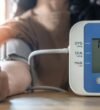
If an at-home digital blood pressure monitor displays a reading of 180/120 mmHg, stay calm. Physical panic and anxiety release adrenaline, which drives blood pressure even higher.
- Sit quietly in a comfortable chair with both feet flat on the floor and your back supported.
- Rest without speaking, drinking, or moving for at least 1 to 2 minutes.
- Repeat the measurement on the same arm to rule out cuff-fit errors or measurement artifacts.
- If the reading remains at or above 180/120 mmHg, assess immediately for physical symptoms.
Warning Symptoms: When High BP Is an Acute Emergency
When severely elevated arterial pressure begins compromising vital organs, the body produces unmistakable warning signs. If a blood pressure reading of 180/120 mmHg is accompanied by any of the following symptoms, it constitutes a hypertensive emergency in Ahmedabad and demands immediate, round-the-clock hospital care:
- Crushing Chest Pain or Pressure (Angina): Signaling acute coronary syndromes or imminent heart attack.
- Acute Shortness of Breath (Dyspnea): Often caused by fluid backing up into the lungs (acute pulmonary edema) due to left ventricular strain.
- Severe, Splitting Headache: Often presenting abruptly, signaling dangerously high intracranial pressure.
- Focal Neurological Symptoms: Sudden numbness, unilateral limb weakness, or difficulty walking.
- Speech Difficulties: Slurred speech, trouble articulating thoughts, or inability to comprehend spoken words (aphasia).
- Sudden Vision Changes: Blurred vision, double vision, or sudden visual field loss (indicative of hypertensive retinopathy or cerebral ischemia).
- Acute Confusion or Altered Mental State: Encephalopathy, agitation, or severe disorientation.
- Syncope or Loss of Consciousness: An absolute red flag requiring urgent neuro-resuscitation.
Can Severely High Blood Pressure Cause a Stroke or Paralysis?
Yes, absolutely. Chronic uncontrolled hypertension is the leading modifiable risk factor for cerebrovascular accidents (strokes), both ischemic and hemorrhagic.
When arterial pressure surges, tiny, weakened penetrating arteries deep inside the brain can burst, causing hemorrhagic stroke. Alternatively, extreme pressures can destabilize arterial plaques, forming clots that choke off vital blood flow, resulting in an ischemic stroke.
If someone with a high BP reading suddenly develops facial drooping, arm or leg weakness, or slurred speech, every second counts. Immediate evaluation at a hospital with dedicated neurology and critical care services is vital to prevent permanent hemiplegia (paralysis).
Should I Take an Extra BP Tablet at Home?
When an alarming 180/120 mmHg reading appears, the instinctive reaction for many patients or their caregivers is to take an extra dose of their daily blood pressure tablet or double up on medications.
Do not take unprescribed extra tablets or alter doses without direct medical instruction.
Here is why self-medicating during a hypertensive crisis can be hazardous:
- Risk of Precipitous BP Drops: Lowering severely elevated blood pressure too rapidly can cause cerebral or myocardial hypoperfusion. If blood pressure plummets abruptly, the brain and heart are starved of perfusion pressure, which can trigger an ischemic stroke or coronary ischemia.
- Medications Must Match the Underlying Cause: In a true hypertensive emergency, physicians administer titrated intravenous (IV) antihypertensive infusions in an ICU setting, carefully controlling the rate of BP reduction.
- Masking Critical Signs: Over-the-counter or uncoordinated medications can obscure clinical presentations, complicating the diagnostic workup when the patient reaches the hospital.
If the reading is high but no warning symptoms are present, contact your treating physician or visit an outpatient medical center promptly for guided adjustment. If warning signs are present, bypass oral adjustments and head straight to an emergency department.
Long-Term Control: Keeping Blood Pressure Within Safe Targets
Preventing future hypertensive crises requires a disciplined, multifaceted approach combining evidence-based pharmacotherapy and daily lifestyle habits:
- Unwavering Medication Adherence: Take prescribed antihypertensive medications daily at the scheduled time. Stopping medications abruptly is a primary trigger for rebound hypertensive crises.
- Rigorous Sodium Restriction: Limit daily salt intake. Minimize papads, pickles, processed snacks, namkeens, and packaged foods high in hidden sodium.
- Routine Blood Pressure Monitoring: Maintain an at-home blood pressure log to track morning and evening readings, bringing the record to your physician reviews.
- Achieving and Maintaining a Healthy Body Weight: Shedding excess abdominal weight relieves systemic vascular resistance and cardiac workload.
- Cardiovascular Physical Activity: Engage in at least 30 minutes of moderate aerobic activity (such as brisk walking) 5 days a week, guided by medical clearance.
- Metabolic Risk Control: Optimize blood glucose and manage lipid profiles (cholesterol/triglycerides), as diabetes and dyslipidemia accelerate arterial stiffening.
- Tobacco and Alcohol Avoidance: Eliminate smoking, bidi, and gutka use, and avoid alcohol, as these substances damage endothelial linings and elevate arterial tension.
Comprehensive BP and Heart Care at Mahavir Hospital, Nikol, Ahmedabad
When dealing with severe hypertension, having access to an experienced hospital equipped with round-the-clock medical facilities provides vital security.
Mahavir Hospital in Nikol, Ahmedabad offers structured care for hypertension, cardiovascular wellness, and acute medical emergencies:
- General Medicine & Hypertension Consultations: Comprehensive clinical evaluations to identify secondary hypertension causes, review prescriptions, and tailor regimens for optimal blood pressure control.
- Cardiac Diagnostics & Monitoring: In-house ECG, echocardiography, routine and advanced biochemical workups (kidney panels, cardiac biomarkers, lipid profiles) to detect early end-organ stress.
- 24/7 Emergency & ICU Critical Care: Equipped to manage acute hypertensive emergencies, acute heart failure, stroke resuscitation, and hypertensive encephalopathy with invasive and non-invasive hemodynamic monitoring.
- Preventive Cardiovascular Counseling: Step-by-step guidance on diet, sodium reduction, stress management, and secondary risk reduction to protect against long-term cardiovascular and renal complications.
Frequently Asked Questions (FAQs)
Is a BP reading of 180/120 mmHg always a medical emergency?
It is always a severe medical concern. Whether it constitutes a “hypertensive emergency” or a “hypertensive urgency” depends on whether there are symptoms or clinical signs of acute organ damage (such as chest pain, breathlessness, confusion, or visual loss). Both require prompt medical attention.
What should I do first if my BP measures above 180/120 mmHg?
Remain calm, sit comfortably, wait 1 to 2 minutes, and repeat the measurement. If the reading stays at or above 180/120 mmHg, check for warning symptoms. If you experience chest pain, breathlessness, headache, numbness, or visual disturbances, seek immediate emergency medical care.
Can a severe high BP spike cause paralysis?
Yes. Uncontrolled severe hypertension can trigger an acute ischemic or hemorrhagic stroke, which damages the brain’s motor pathways and can cause weakness or complete paralysis down one side of the body.
Where can I get emergency BP treatment in Nikol, Ahmedabad?
Mahavir Hospital provides comprehensive Heart & Blood Pressure Care, General Medicine services, and 24/7 emergency critical care in Nikol, Ahmedabad.
Act Promptly: Do Not Wait for Symptoms to Settle
A blood pressure reading of 180/120 mmHg accompanied by chest tightness, breathlessness, speech difficulty, or severe dizziness is an acute medical emergency. Every minute of delay exposes your heart, brain, and kidneys to irreversible stress.
Do not attempt home remedies or wait for symptoms to resolve on their own. Visit Mahavir Hospital, Nikol, Ahmedabad immediately for rapid clinical assessment, stabilization, and comprehensive blood pressure care.